Moving past the sandbox: Reflections from Canada's premier AI conference

By Errol Fernandes, Vice-President, Technical Solutions Sales & Shared Services, Bell
 In my experience, major technology cycles often experience a shift in momentum. There are high expectations and excitement about the potential, but the marketplace eventually needs a transition from experimentation to balance-sheet discipline.
This transition was the defining theme of the ALL IN 2026 conference in Montreal. As I walked the floor of this year's event, the palpable shift in energy was undeniable. Because the pace of evolution is so fast, we typically find that what might’ve taken a year now takes place in three months. It was no surprise then that the educational levels of the attendees had matured significantly when compared to last year.
At ALL IN 2025, most people were in what I call “the dabbling stage.” This year, they arrived with established use cases, implementation plans and a new set of challenges born from real-world usage. And I think it is important to note that these pain points are not setbacks. They are indicators of progress, as organizations start to move technology from the pilot phase and into production.
Navigating token economics the complexities of scale
When an organization begins to democratize digital tools, it moves beyond controlled sandboxes. Widespread employee adoption introduces new operational realities. One of the most prominent topics I discussed with peers at the event was the concept of token economics, which I spoke about in “Escaping the Token Trap: Detokenizing AI and Deploying Dedicated Enterprise Infrastructure.”
Our session discussed how organizations begin their AI journey through public APIs, paying per "token" generated – but that this pay-as-you-go, SaaS model can lead to unpredictable costs and latency bottlenecks during the shift to core production.
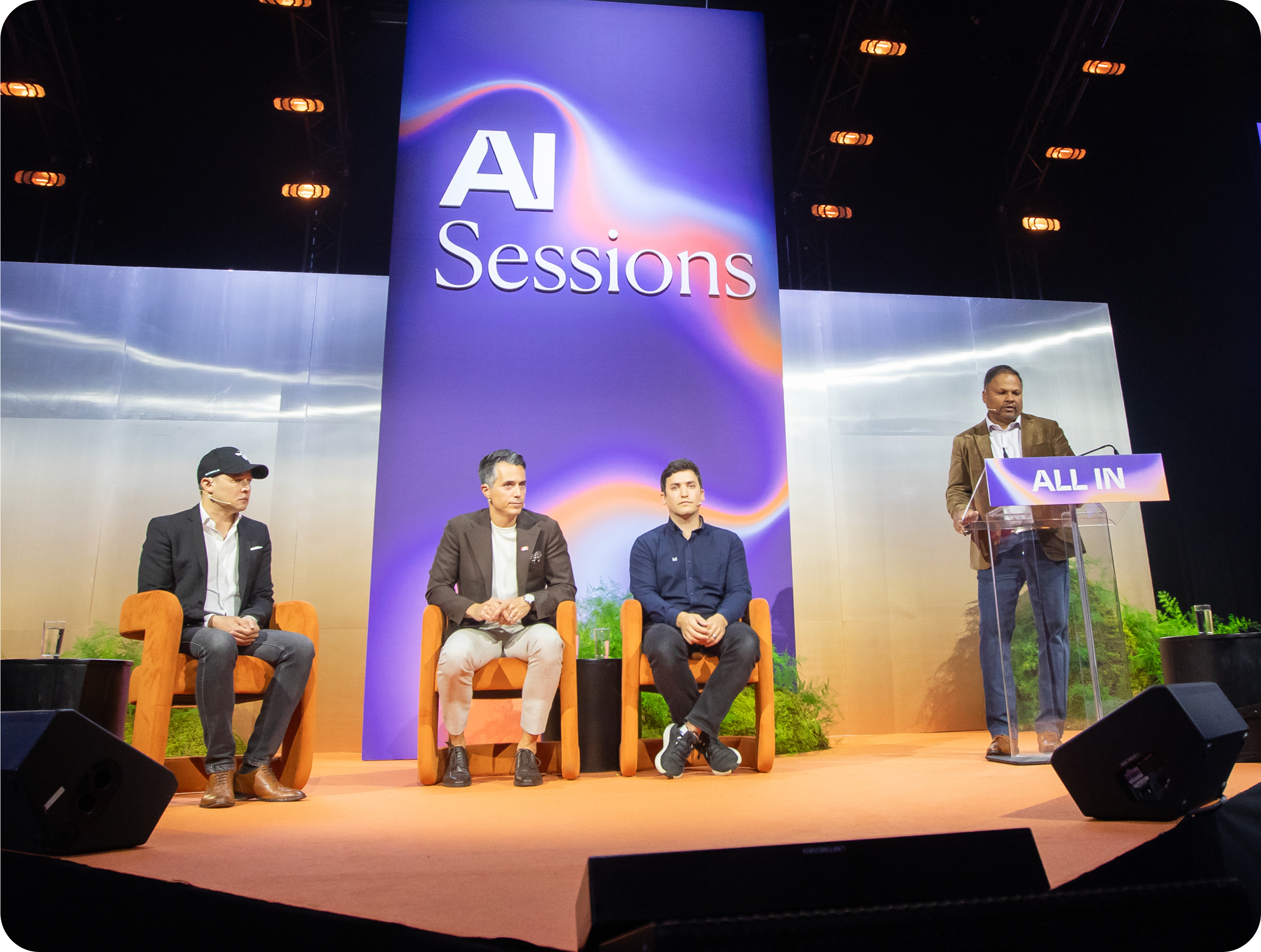
The people who feel the most pain around the token trap are those living and breathing in tokens daily. These are the developers building workloads, creating agents and the finance leaders who see the bills.
The shift to GPU-as-a-service
Managing token consumption – or moving to a GPU-as-a-Service (GPUaaS) model – is the most logical next step in the road to AI maturity. It forces organizations to design more efficient architectures, encouraging us to select the right model for each specific task, rather than relying on a single, expensive generalist tool. It also has the advantage of being a net benefit, without adding any difficulty or learning curve for end users.
Instead, GPUaaS is simply a different model dedicated to the organizations environment while offering the sovereign, resilient capabilities needed for AI deployments now and in the future. After all: while cost is an important consideration, so are the benefits AI brings – meaning the most “expensive” tokens may well the ones your best people are too hesitant to spend.
The great equalizer for human proficiency
While scaling technology introduces operational hurdles, it also offers unprecedented opportunities to elevate human capability. I firmly believe digital tools act as a powerful equalizer across the workforce.
Many workers missed previous rapid technology cycles. They may not have needed to participate in the early days of the internet or complex software programming. The low barrier to entry for modern conversational interfaces allows professionals to leapfrog legacy skills, making AI the next major wave from a knowledge perspective – something I find incredibly exciting.
This democratization shifts the corporate focus away from simple automation. Instead, it drives collective proficiency and fosters a culture of curiosity where workers across all departments can leverage advanced capabilities independently.
Strengthening the Canadian ecosystem
Canada is a global leader in foundational scientific research. Our academic hubs and research institutes are internationally renowned. However, our long-term economic resilience depends on commercializing this research domestically. We must build a robust, sovereign technology pipeline. Bridging the gap from AI research to adoption is how we retain our intellectual property and our brightest minds.
The maturity on display at ALL in 2026 suggests this ecosystem is strengthening. Companies that were considered early-stage startups only a year ago are now mature organizations attracting significant domestic investment.
Hearing government leaders like Minister Solomon confidently reference these Canadian technology companies is a testament to how far we have come in our national AI journey. There is an amazing level of growth on display, and we are seeing that reflected in the trust that new investors are putting in them.
When we support Canadian technology providers, we secure our national software supply chain. We build a resilient foundation that keeps Canadian data and talent working directly for the Canadian economy.
A realistic path forward
As we look toward the future, the enterprise conversation has clearly matured. We are no longer asking "what if." We are focused on "what is next."
Last year, the message was about getting projects out of the pilot phase and into production. We’ve been solving for that and are now starting to see a lot of activity in production. Because we are democratizing the understanding of AI, we are seeing a groundswell of innovation that is only going to get better.
By building on a trusted, sovereign infrastructure and focusing on workforce proficiency, Canadian enterprises are well-positioned to lead. The sandbox phase is over. The work of building a more productive Canada has begun in earnest.
Click here to see our session at ALL IN. To find out more about the work Bell is doing support AI infrastructure in Canada, read this blog on the ecosystem behind AI Fabric or visit the Bell AI Fabric website.